Class of 2025-SVG Review
First Impressions of Class of 2025-SVG
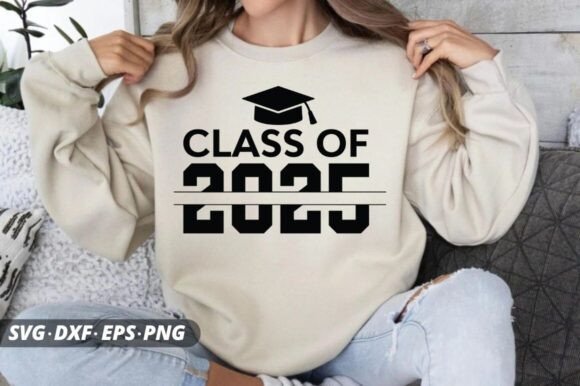
As a designer who’s worked with countless embroidery files, I always start by looking at the mood and visual personality of a design. Class of 2025-SVG immediately feels nostalgic and celebratory. The layout is clean, with a strong central focus that makes it ideal for projects like custom apparel, baby items, or personalized gifts. The detail level is just right—enough to catch the eye without being overwhelming.
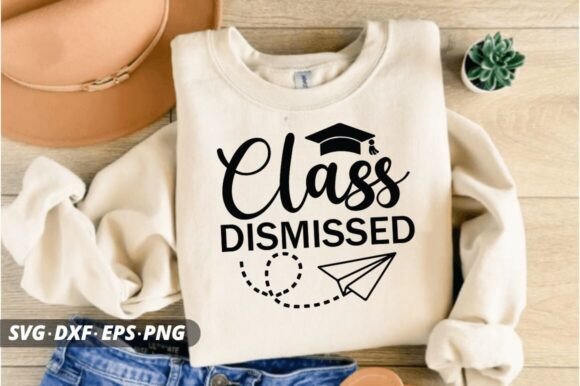
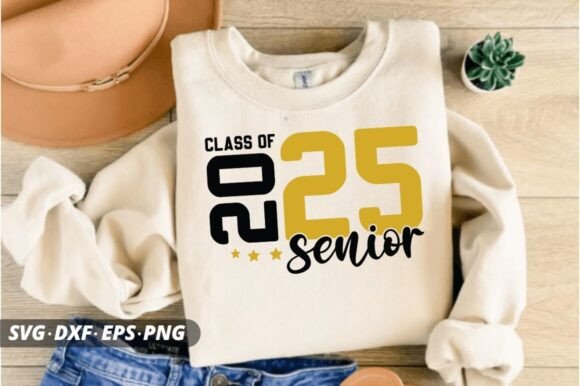
The theme is clear: a tribute to graduation, which makes it perfect for school-themed products, holiday gifts, or even wedding favors. It has a timeless quality that could work for both modern and traditional settings. The shape and structure suggest it would look great on a tote bag, sweatshirt, or embroidered patch.
Real-World Use Cases for Class of 2025-SVG
Imagine you're preparing a custom embroidered tote bag for a client who wants something unique for their child's graduation. Class of 2025-SVG would be a natural fit. The design’s size and structure make it suitable for medium-sized hoops, which is common in most home embroidery machines. It also has enough detail to stand out on a plain fabric but isn’t so intricate that it becomes difficult to stitch.
This design works well for small business owners who sell handmade products. Whether you’re an Etsy seller or a craft fair vendor, Class of 2025-SVG could become a staple in your collection. It’s versatile enough to be used on t-shirts, aprons, or even as a printable mockup for digital product previews.
For commercial embroidery projects, the design holds up well. It’s not too dense, which means it won’t cause issues with thread breakage or machine strain. The file formats provided—SVG, PNG, EPS, and DXF—are all standard and easy to work with, making it a solid choice for designers who need flexibility.
Where to Be Cautious with Class of 2025-SVG
While Class of 2025-SVG is generally user-friendly, there are some situations where it might not perform as well. For example, if you’re working with small hoop sizes, the design may require multiple hooping steps, which can be time-consuming. Similarly, on textured or stretchy fabrics, the stitches might not lay flat as intended.
Thin or dark fabrics could also pose challenges. If the design uses light thread colors, they might not show up well on dark backgrounds. You’ll want to test the contrast before committing to a large batch of finished products. Tiny lettering or detailed corners might get lost if the stitch density is too low, so checking the design on scrap fabric first is essential.
When using this design on curved surfaces like caps or hoods, you may need to adjust the hoop placement or use a different stabilizer to prevent puckering. It’s also important to consider how the design will hold up after repeated washes. If you’re planning to sell it as a finished product, make sure the stitching is secure and the design is durable.
Impact on Visual Appeal and Customer Perception
Class of 2025-SVG has the potential to elevate any project it’s used on. Its clean lines and balanced composition create a sense of professionalism that customers will notice. Whether it’s on a baby onesie, a holiday gift, or a custom apparel item, the design adds value and visual interest.
From a branding perspective, this design is consistent and recognizable. It can help reinforce your shop’s identity, especially if you’re targeting a niche market like graduation gifts or school-related merchandise. Customers often associate well-designed embroidery with quality, so using Class of 2025-SVG can build trust and encourage repeat purchases.
For handmade shops and Etsy sellers, this design offers a way to create giftable, high-quality products that stand out from the crowd. It’s also a good choice for personalized gifts, as the theme is universally appealing and can be adapted to different occasions.
Practical Designer Notes for Using Class of 2025-SVG
Before using Class of 2025-SVG in a real project, I recommend testing it on scrap fabric. This will help you see how the stitches look on different materials and whether the design needs adjustments. Pay attention to the stitch density—too much can cause bulk, while too little might make the design look incomplete.
Check the thread color contrast against the fabric you plan to use. If the design includes multiple colors, ensure they work well together and don’t clash. Also, confirm the hoop size required for the design. If it’s larger than your machine can handle, you may need to split it into sections.
Inspect small details like corners and lettering. If they appear too fine, consider adjusting the design or choosing a different file version. Test the design in black and white mockups to see how it looks without color. Compare it on light and dark fabric backgrounds to ensure visibility and clarity.
Use the proper stabilizer for the fabric type. This will help the design stay smooth and prevent puckering. Make sure the design is suitable for both personal and commercial use, and always check the licensing terms before selling finished items or digital products.
Final Thoughts on Class of 2025-SVG
Class of 2025-SVG is a solid choice for designers looking for a versatile, visually appealing embroidery file. It works well for a wide range of projects, from custom apparel to personalized gifts. While it has some limitations in specific scenarios, its overall quality and adaptability make it a valuable addition to any design library.
Whether you're a small business owner, a craft entrepreneur, or a hobbyist, this design has the potential to enhance your offerings and attract customers. With careful consideration and testing, Class of 2025-SVG can become a reliable part of your embroidery workflow.